


.png)
.png)

 (1).png)


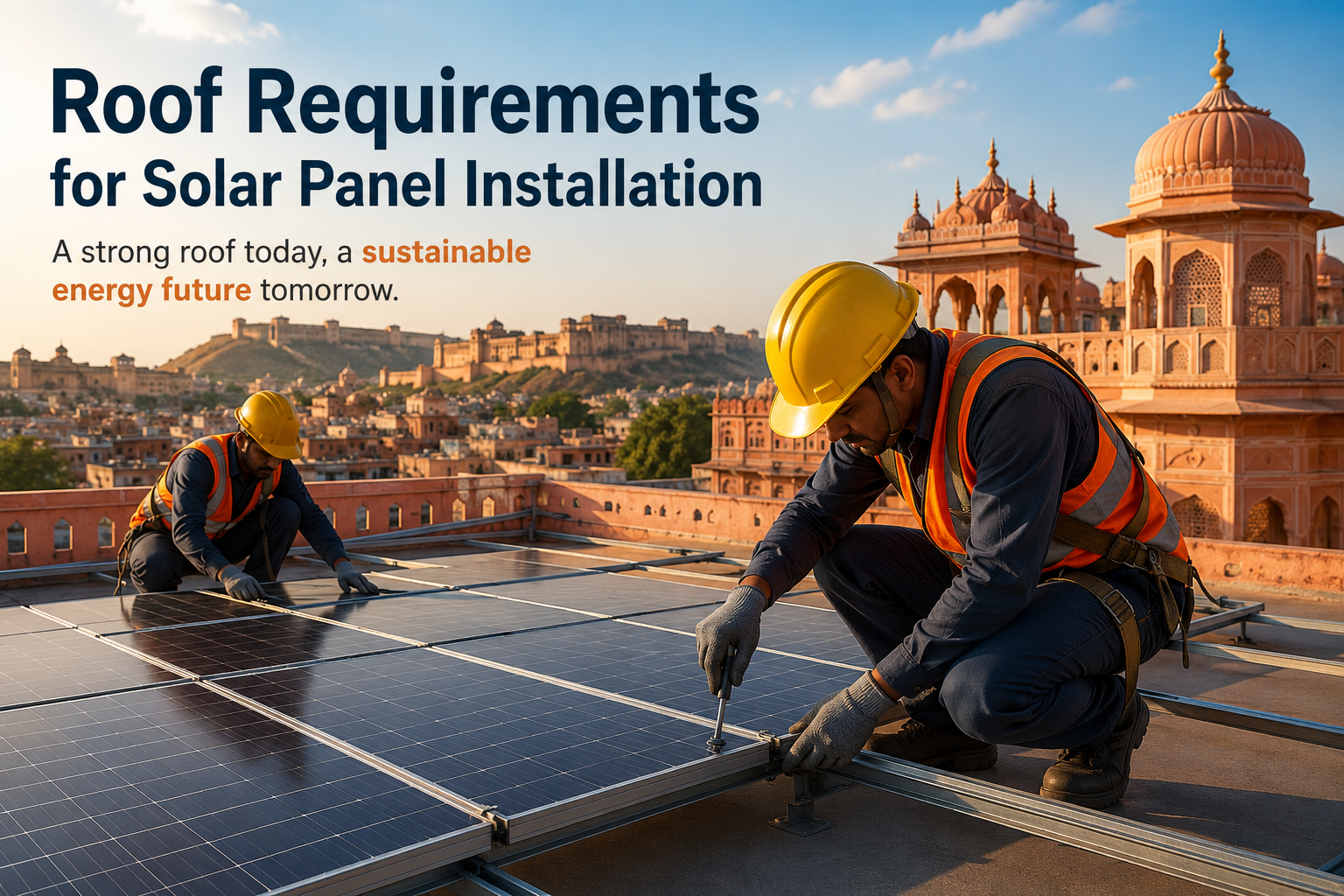
Complete Roof Requirements for Solar Panel Installation | Dream Infra Solutions
Roof Requirements for Solar Panel Installation: Complete Guide for Homeowners in India
As solar energy continues to grow across India, more homeowners are looking at rooftop solar as a smart long-term investment. Rising electricity bills, government subsidies, and awareness about renewable energy have made rooftop solar systems one of the most practical upgrades for modern homes. But before installing a solar system, one important question needs to be answered: is your roof suitable for solar panels?
Understanding the roof requirements for solar panel installation is the first step toward a successful solar setup. Many homeowners focus only on solar panel prices or subsidy benefits, but the roof itself plays the biggest role in the overall performance and durability of the system. From roof strength and sunlight exposure to roof angle and waterproofing, every detail matters.
At Dream Infra Solutions, we help homeowners and businesses understand the exact solar panel roof requirements before beginning any installation process. A properly planned rooftop solar system not only generates more electricity but also lasts longer with fewer maintenance issues.
When discussing rooftop solar installation requirements, the roof structure becomes the foundation of the entire system. Whether you have a concrete terrace, tiled roof, metal roof, or sloped roof, the installation method and mounting system will differ. This is why a professional roof inspection for solar installation is always recommended before moving forward.
One of the most common concerns homeowners have is, “can my roof support solar panels?” The answer depends on the age, material, and structural condition of the roof. Solar panels, along with mounting structures, add extra weight to the roof. While modern residential roofs are usually capable of handling this load, older buildings may require structural evaluation.
The roof load capacity for solar panels is especially important for large residential systems or commercial rooftop installations. In most cases, solar systems add approximately 15 to 25 kilograms per square meter depending on the mounting structure and panel type. A strong concrete terrace can easily support this weight, while older tile or wooden roofs may need reinforcement.
The roof strength for solar installation should be checked carefully because weak roofing can lead to future safety issues. Professional engineers often examine cracks, water leakage, rust, and construction quality before approving a rooftop solar system. These structural requirements for solar panels are essential for both performance and long-term durability.
Another major factor is the roof condition for solar panels. Installing solar panels on a damaged or aging roof is not advisable. If your roof needs repair within the next few years, it is better to complete the repairs before solar installation. Many experts recommend evaluating the roof lifespan before solar installation because removing and reinstalling panels later can increase costs significantly.
Homeowners often ask whether they should replace roof before solar panels are installed. If the roof is more than 15 to 20 years old or has recurring leakage issues, replacement may save money in the long run. A healthy roof creates a stable foundation for solar systems and reduces future maintenance expenses.
The best roof for solar panels is one that receives direct sunlight for most of the day without shade from trees, nearby buildings, or water tanks. Sunlight exposure directly affects electricity generation. A shadow free roof for solar ensures maximum energy output and faster return on investment.
One of the key elements in determining roof suitability for solar panels is roof orientation. In India, south-facing roofs usually perform best because they receive the highest amount of sunlight throughout the day. This is why south facing roof solar panels are often considered ideal for residential solar systems.
However, east west roof solar installation can also work effectively depending on energy consumption patterns. East-facing panels generate better morning output, while west-facing systems perform better in the afternoon. During a professional consultation, installers evaluate roof orientation for solar energy and recommend the most efficient layout.
The roof angle for solar panels also impacts energy production. An optimal tilt angle helps capture maximum sunlight throughout the year. In most Indian cities, the ideal roof pitch for solar panels ranges between 15 and 30 degrees depending on geographic location.
For flat terrace roofs, mounting structures are used to achieve proper tilt. This process is known as solar roof angle optimization. Proper alignment improves energy generation and also helps rainwater naturally clean the panels during monsoon seasons.
A detailed rooftop sunlight analysis solar assessment is another important step. Installers use specialized tools to check shading patterns, sunlight hours, and seasonal changes. This analysis helps avoid future performance issues caused by unexpected shadows or poor roof exposure.
The amount of space available on the roof also matters. Many homeowners wonder about the roof space needed for solar panels or the minimum roof area for solar panels. On average, a 1 kW solar system requires around 80 to 100 square feet of shadow-free area.
If you are planning a larger residential system, professional installers calculate how many solar panels fit on roof based on panel dimensions, inverter location, and maintenance access spacing. Proper solar panel roof spacing ensures airflow, easy cleaning, and safety during maintenance work.
Modern solar planning involves detailed roof layout for solar panels to maximize electricity generation. Installers carefully plan the solar panel placement on roof while avoiding obstacles like water tanks, satellite dishes, and staircases. Efficient rooftop solar design ideas can improve both energy production and roof aesthetics.
Choosing the best rooftop layout for solar depends on energy requirements, roof shape, and sunlight exposure. A well-designed system balances performance, maintenance accessibility, and structural safety.
Different roofing materials require different installation techniques. For example, solar panels on concrete roof are very common in India because flat RCC terraces provide strong support and easy installation. Concrete roofs also simplify maintenance and waterproofing.
On the other hand, solar panels on tile roof require special mounting systems to prevent tile breakage. Installers must carefully secure brackets beneath the tiles while maintaining roof integrity.
Similarly, solar panels on metal roof are installed using clamps that avoid unnecessary drilling. Metal roofs are often considered highly durable and compatible with solar systems because they last for decades.
For residential homes with asphalt roofing, solar panels on shingle roof are installed using flashing techniques to prevent water leakage. Professional waterproofing becomes essential in these cases.
Many Indian homes also explore solar panels for terrace roof installations because terraces provide larger open spaces and better sunlight exposure. Terrace solar setups are particularly popular in urban cities where electricity consumption is high.
The technical side of installation involves understanding solar panel mounting requirements and selecting the correct solar panel mounting systems roof. Mounting structures hold the solar panels securely in place and protect them against strong wind and weather conditions.
A strong rooftop solar mounting structure ensures long-term stability. Galvanized iron and aluminum structures are commonly used because they resist rust and corrosion. High-quality mounting systems improve durability and reduce maintenance costs.
Some homeowners worry about roof drilling for solar panels and whether drilling damages the roof. In professional installations, waterproof sealing methods are used around anchor points to prevent leakage. Proper solar panel anchoring on roof is essential for structural safety during storms and heavy winds.
Experienced installers also focus on waterproofing roof after solar installation because poor workmanship can lead to moisture problems later. Reliable installers use industrial-grade sealants and waterproof membranes to protect the roof.
Another overlooked area is rooftop solar wiring requirements. Electrical cables must be safely routed to avoid water exposure and accidental damage. Proper rooftop solar electrical requirements include earthing, surge protection, and inverter safety systems.
The placement of inverters also matters in residential projects. A proper rooftop inverter installation ensures efficient cooling, easy maintenance access, and reduced energy loss.
When discussing roof penetrations solar panels, professional workmanship becomes extremely important. Incorrect installation can create long-term structural issues. This is why homeowners should always choose a professional solar roof installation company with proven experience.
Maintenance is another important consideration after installation. Good roof maintenance with solar panels helps extend the lifespan of both the roof and solar system. Regular cleaning removes dust, bird droppings, and debris that reduce panel efficiency.
There are many misconceptions about solar panels roof damage myths. Properly installed systems do not damage roofs. In fact, solar panels often protect roofing surfaces from direct sunlight and harsh weather exposure.
However, poor installation quality can lead to problems like roof leakage after solar installation. This is why choosing trained professionals is critical. Reliable installers follow proper sealing and waterproofing practices for a waterproof roof solar installation.
Routine solar panel maintenance rooftop services include electrical inspection, cleaning, mounting checks, and shading assessment. Proper roof cleaning for solar systems improves energy output and extends system life.
The choice of roofing material also affects durability. A durable roofing for solar panels setup should withstand heat, rain, wind, and environmental exposure for decades. Weather-resistant materials create a strong foundation for long-term solar performance.
Homeowners planning rooftop solar should also understand costs involved. The overall solar roof installation cost depends on system size, roof type, mounting structure, and electrical configuration.
In some cases, additional roof preparation cost for solar may be required if repairs or waterproofing are needed before installation. A detailed inspection helps estimate these expenses accurately.
A solar ready roof requirements checklist often includes roof condition assessment, structural evaluation, shadow analysis, and electrical safety review. Professional installers usually provide a solar roof consultation guide to help homeowners understand the process.
The solar roof inspection cost is usually minimal compared to the long-term investment benefits of rooftop solar. In fact, a proper inspection prevents future maintenance expenses and installation mistakes.
If roof repairs are necessary, the roof repair before solar installation should always be completed first. Ignoring existing roof issues can increase future repair costs.
A proper rooftop solar planning checklist includes structural evaluation, sunlight analysis, energy consumption study, subsidy documentation, and installation planning. This process helps homeowners avoid unnecessary delays.
The cost of mounting solar panels on roof also depends on the type of mounting structure used. Elevated structures, tilted frames, and corrosion-resistant materials may slightly increase costs but improve long-term reliability.
Today, many homeowners in India are looking for an affordable rooftop solar setup that balances performance, durability, and government subsidies. This is where expert consultation becomes valuable.
The growth of rooftop solar installation India has accelerated due to government initiatives and rising electricity prices. Homeowners are actively searching for information about solar roof requirements in India before investing in rooftop systems.
For Indian homes solar roof setup, climate conditions play an important role. Installers must consider monsoon resistance, heat exposure, and wind load requirements during planning.
In Rajasthan, rooftop solar adoption is growing rapidly because of high sunlight availability. Cities like Jaipur are becoming major centers for renewable energy solutions. Demand for rooftop solar Rajasthan and Jaipur solar rooftop installation continues to rise every year.
Government policies such as MNRE rooftop solar guidelines help standardize installation quality and safety practices. Homeowners should also understand rooftop solar subsidy requirements before applying for financial benefits.
Choosing a trusted solar roof installation company India is essential for long-term performance and warranty support. Homeowners should always look for experienced professionals with proven installation records.
At Dream Infra Solutions, we provide complete rooftop solar consultation, engineering assessment, installation, and maintenance services across Rajasthan. Whether you need a small residential setup or a larger commercial installation, our team ensures your roof meets all technical and structural requirements.
If you are searching for the best rooftop solar installer Rajasthan, it is important to choose a company that offers proper site inspection, quality materials, subsidy guidance, and after-sales support.
Before beginning any project, homeowners must understand rooftop solar approval requirements India to ensure compliance with local electricity board regulations and net metering policies.
As demand grows, more homeowners are choosing to hire rooftop solar installer professionals rather than attempting unverified installations. Expert installers ensure safety, efficiency, and long-term savings.
Finding the best solar company for rooftop installation requires evaluating experience, customer reviews, engineering expertise, and warranty support. A professional company always begins with a detailed roof inspection and energy analysis.
Many homeowners today search online for rooftop solar consultation near me because personalized guidance helps simplify the process. Experienced consultants explain structural requirements, costs, subsidy options, and energy savings clearly.
At Dream Infra Solutions, our team of rooftop solar experts India helps homeowners understand every aspect of solar installation, from roof inspection to final commissioning.
Our professional rooftop solar installation services are designed to deliver maximum energy generation with long-term roof safety. We also provide free rooftop solar inspection services for eligible properties.
Whether you are planning solar panel installation on house roof or a larger commercial project, understanding roof requirements is the key to successful solar performance.
If you are ready to switch to solar energy, you can get rooftop solar quote from our experts and receive customized recommendations based on your roof condition, energy usage, and budget.
Choosing the right rooftop solar installation contractor can make all the difference between an average system and a high-performing solar investment that delivers savings for decades.